Why the Bowler Changes the Field Before the Ball Is Bowled
Read a cricket field setting by connecting the bowler’s line and length to likely shots, open scoring areas, and the risks the captain may be weighing.

The common mistake in reading a cricket field setting is to count the fielders without asking what shot the bowler expects. That can make an open patch look like an obvious tactical signal, when it may simply reflect a trade-off or a different plan. Read the positions alongside the bowler’s line and length to see what choices the batter may face.
Reading a Cricket Field
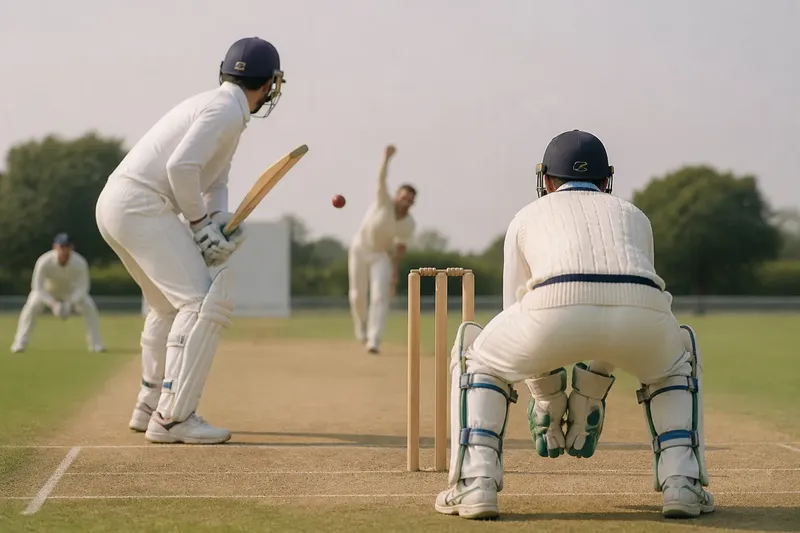
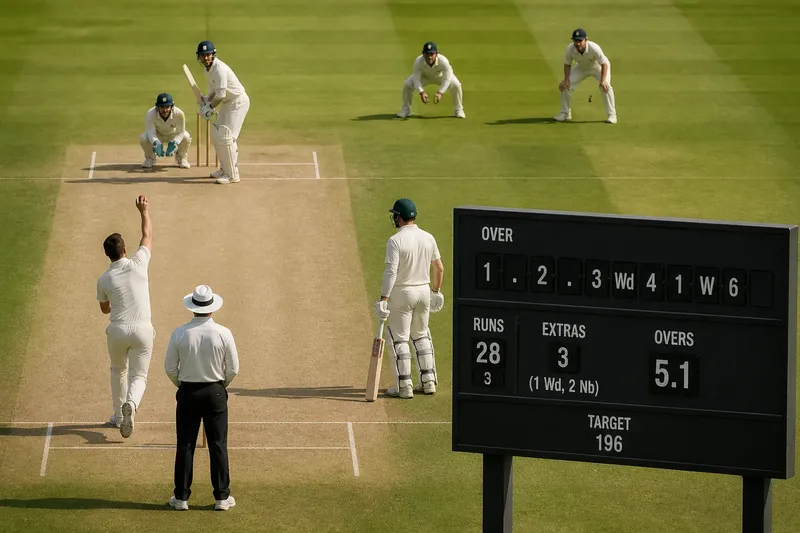
A field setting is a visible proposal about how the next delivery might be played. The captain places teammates to catch a possible mistake, restrict a scoring route, or make a particular shot seem attractive. The bowler then has to deliver a ball that makes this arrangement relevant.
A ring of fielders cannot create a plan by itself. If the captain places a slip cordon for an edge but the bowler repeatedly sends the ball down the leg side, the field and delivery are out of alignment. Watch both together: the positions suggest possible intentions, while the ball shows whether the bowler can pursue them.
There is no single meaning for a fielder’s position. A player in the deep may protect against a lofted drive, a pull, or a glance, depending on the bowler’s line and pace. Combinations of positions offer more context than one fielder in isolation, but they still do not reveal the captain’s plan with certainty.
Length and the Plan
Length describes where the ball pitches in relation to the batter. A full delivery pitches closer to the batter; a shorter one gives more time and tends to reach the bat higher. Pitch conditions, pace, bounce, and the batter’s position can all change how a length plays.
A fuller ball outside off stump can invite a drive through the off side. The captain might leave room in the covers while keeping a slip or gully, but that arrangement is only one possible plan: the bowler must land the ball in a useful area, and the batter may choose not to drive.
A shorter ball can prompt a pull, cut, or defensive response. A captain may use a deep square-leg fielder or a deep point, depending on the intended line and the batter. If the ball is too wide for a pull, however, the proposed plan and the delivery may not match.
Think of a field like a row of chairs around a doorway: the open route makes some movement easier, but the arrangement does not tell you exactly where someone will walk. In cricket, the batter can choose another shot, and each gap or catcher only changes the apparent risk of an option.
Gaps and Trade-Offs
A gap can be a deliberate invitation. If the captain leaves space through cover, the batter may try to drive there. A bowler aiming fuller outside off stump may be seeking a chance of an edge or a mistimed hit, but the open space alone does not prove that this is the plan.
Sometimes the gap is a practical concession. Captains cannot place a fielder everywhere, so they may guard one boundary while leaving another area less protected. The choice depends on the format, match situation, batter, bowler, and the scoring routes the captain considers most threatening.
Read the gap alongside the batter’s stance and the bowler’s angle. A right-handed batter facing a ball angled across the body may have different access to the off side than a left-hander facing the same bowler. These details help explain a field without turning it into a fixed code.
Catchers and Boundary Riders
Close catchers such as slips, gully, and short leg are positioned for chances off the bat or pad. Their presence may make a batter more cautious, particularly if the bowler is asking for a defensive stroke. But a catcher is useful only when the delivery can create the kind of chance that fielder is there to take.
A boundary rider usually guards a region where the captain anticipates a forceful shot. The fielder may stand at deep midwicket, long-on, or deep point, among other positions. A deep fielder can stop or catch a shot that might otherwise reach the boundary, but can leave the inner ring less crowded and make singles easier.
Neither a spread field nor a close, attacking arrangement has one dependable meaning. A spread field may reflect concern about a particular scoring area, while an attacking setup may preserve catchers; either can also serve other purposes. The bowler’s actual line and length, and the batter’s available shots, are needed to interpret the choice.
Why Fields Change
The captain can move fielders as the plan changes. A batter may show a preference for stepping across and glancing to leg, or for opening the face and steering behind point. The captain may respond by shifting a fielder, changing boundary protection, or adjusting the target line.
A field change can respond to the bowler as well as the batter. If the bowler is struggling to land a fuller length, a close catcher intended for a drive may be less useful. Moving that player can reflect the delivery being bowled, rather than the one the captain hoped to see.
Field changes can address a particular risk without abandoning a broader idea. Moving a deep fielder or placing a short fielder in a different channel may alter the options available. Ask which shot has become harder or less rewarding, rather than assuming the new field is simply more aggressive or defensive.
Questions About Fields?
Does a slip always mean the ball will swing?
No. A slip is positioned to catch an edge, which can result from movement in the air, movement off the pitch, awkward bounce, or a batter’s mistake. The line and length help explain whether the delivery could create that chance.
Why is a fielder placed where the ball has not gone?
The captain sets positions for likely shots and possible errors, not only in response to the previous delivery. A new position may anticipate the next ball, respond to the batter, or protect an area the captain considers vulnerable.
Can a batter target an open gap?
Yes. A batter may aim for an unguarded area if the line and length allow a controlled shot. The captain can then close that route, though doing so may open another area or require moving a catcher.
Does a spread field mean the bowler has given up?
Not necessarily. Boundary protection may limit a scoring route while the bowler pursues another chance, such as a mistimed shot or a single that changes the strike. The positions are only part of the picture; consider the match situation and the delivery too.
A Live Field Example
Say you are watching an invented match. A right-handed batter has driven several balls through cover; the captain moves a fielder to deep cover, keeps a slip, and asks the bowler to pitch fuller outside off stump. The possible plan is to protect the familiar scoring route while leaving a catcher for an edge, but the setup does not prove that intention. If the bowler instead sends the ball short and wide, the delivery is poorly matched to that possible plan, and you would expect the batter to have a different set of options.
To read a cricket field setting, connect the positions to a possible line, length, and shot, then check whether the ball supports that interpretation. This keeps you from treating one open patch or boundary rider as a complete explanation. The next delivery may confirm a possible plan, complicate it, or show that the bowler cannot carry it out.